


What is a Digital Cutter?
 Oct 31, 2025|
 View:2325
A digital cutter is like the smart, precision-loving cousin of your old-fashioned scissors or craft knife. It’s fast, accurate, and doesn’t complain when you ask it to cut the same design a thousand times! Whether you’re a DIY enthusiast, a small business owner, or a manufacturing professional, digital cutters have become game-changers in how we design, prototype, and produce.
Let’s dive deep into what a digital cutter really is, how it works, its types, and why it’s taking the world by storm.

Cutting with Precision and Efficiency
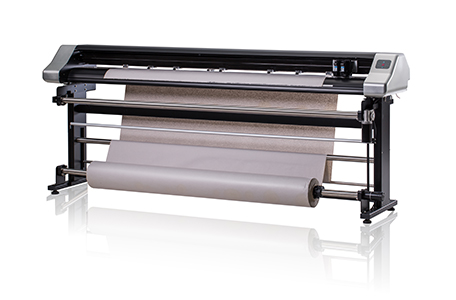
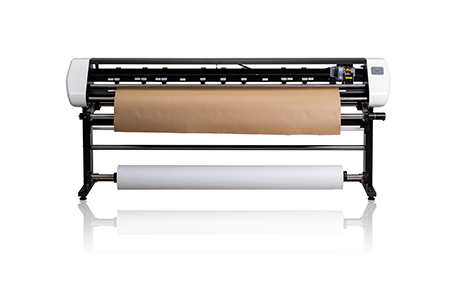
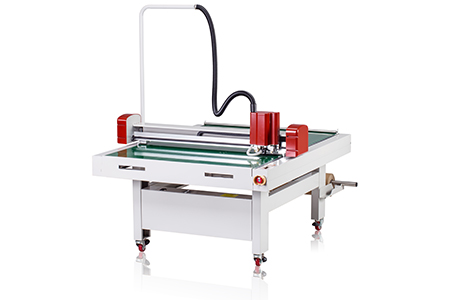
At its core, a digital cutter is a computer-controlled machine designed to precisely cut various materials, such as paper, vinyl, fabric, leather, and even thin metals. Unlike traditional cutting methods, which rely on manual labor or basic tools, digital cutters offer unparalleled accuracy and efficiency.
These remarkable machines are equipped with advanced software that allows users to create or import designs, which are then translated into precise cutting instructions. The cutter's blade, guided by the machine's motorized system, moves along the designated path, effortlessly slicing through the material with incredible precision.
How Does a Digital Cutter Work?
To comprehend the inner workings of a digital cutter, let's break it down into a few key components:
Design Software:Digital cutters rely on specialized software that enables users to create, edit, and optimize designs. This software acts as the brain of the operation, translating your creative vision into digital instructions for the cutter.
Cutting Mat: A cutting mat serves as the foundation for your material. It provides a stable surface and ensures that the material remains in place during the cutting process.
Blade: The blade is the star of the show. It comes in various types, such as rotary blades for fabric or drag knives for paper and vinyl. The blade's sharpness and precision determine the quality of the cut.
Motorized System: The motorized system is responsible for moving the blade along the designated path. It ensures smooth and accurate cuts, even for complex designs.
Material Feed: Depending on the type of digital cutter, it may have a material feed system that automatically advances the material, allowing for continuous cutting without manual intervention.
Advantages of Using a Digital Cutter
Digital cutters offer a plethora of advantages that make them indispensable tools for designers, crafters, and businesses. Let's explore some of the key benefits:
Precision and Accuracy: Digital cutters eliminate human error, ensuring consistent and precise cuts every time. This level of accuracy is particularly crucial for intricate designs and detailed patterns.
Time Efficiency: With a digital cutter, you can significantly reduce the time spent on manual cutting. The machine's automated process allows you to focus on other aspects of your project, boosting productivity.
Versatility: Digital cutters can handle a wide range of materials, from delicate fabrics to sturdy metals. This versatility opens up a world of possibilities, enabling you to explore various creative avenues.
Cost-Effective: While the initial investment in a digital cutter may seem substantial, it pays off in the long run. By reducing material waste and increasing efficiency, digital cutters help save money over time.
Customization: Digital cutters empower you to bring your unique designs to life. Whether you're creating personalized gifts, custom apparel, or intricate signage, the ability to customize is limitless.
Applications of Digital Cutters
The applications of digital cutters are vast and diverse, spanning across various industries and creative pursuits. Let's take a closer look at some of the most common uses:
Crafting and DIY Projects: Digital cutters have become a staple in the crafting community. From scrapbooking and card-making to creating intricate paper art, these machines enable crafters to elevate their projects to new heights.
Fashion and Apparel: In the fashion industry, digital cutters play a crucial role in pattern cutting, fabric manipulation, and even creating custom designs. They streamline the production process, ensuring consistency and precision.
Signage and Graphics: Digital cutters are widely used in the signage and graphics industry for creating vinyl decals, banners, and custom lettering. Their ability to cut intricate designs makes them ideal for producing high-quality signage.
Packaging and Prototyping: Businesses often rely on digital cutters for packaging design and prototyping. These machines enable them to create custom packaging solutions and test product designs before mass production.
Industrial Manufacturing: In industrial settings, digital cutters are used for cutting materials like gaskets, seals, and even thin metals. Their precision and efficiency make them invaluable tools in the manufacturing process.
In conclusion, digital cutters have revolutionized the way we create, offering unparalleled precision, efficiency, and versatility. Whether you're a hobbyist, a small business owner, or an industrial manufacturer, investing in a digital cutter can take your projects to the next level.
FAQs About Digital Cutters
1. What’s the difference between a digital cutter and a plotter?
A plotter draws, while a digital cutter cuts. Some hybrid machines can do both!
2. Can a digital cutter engrave too?
Yes, laser cutters and some advanced models can engrave and cut simultaneously.
3. Do I need design experience to use a digital cutter?
Not really! Most machines come with templates and beginner-friendly software.
4. How long does a digital cutter last?
With proper care, a quality machine can last 5–10 years or more.


View More(Total0)Comment lists